
 By
Dhruv Sharma
Published Feb 28, 2026, 7:30 PM EST
Dhruv is a Lead Writer in Screen Rant's New TV division. He has been consistently contributing to the website for over two years and has written thousands of articles covering streaming trends, movie/TV analysis, and pop culture breakdowns.
Before Screen Rant, he was a Senior Writer for The Cinemaholic, covering everything from anime to television, from reality TV to movies.
After high school, he was on his way to become a Civil Engineer. However, he soon realized that writing was his true calling. As a result, he took a leap and never looked back.
Sign in to your ScreenRant account
Add Us On
Summary
Generate a summary of this story
follow
Follow
followed
Followed
Like
Like
Thread
Log in
Here is a fact-based summary of the story contents:
Try something different:
Show me the facts
Explain it like I’m 5
Give me a lighthearted recap
By
Dhruv Sharma
Published Feb 28, 2026, 7:30 PM EST
Dhruv is a Lead Writer in Screen Rant's New TV division. He has been consistently contributing to the website for over two years and has written thousands of articles covering streaming trends, movie/TV analysis, and pop culture breakdowns.
Before Screen Rant, he was a Senior Writer for The Cinemaholic, covering everything from anime to television, from reality TV to movies.
After high school, he was on his way to become a Civil Engineer. However, he soon realized that writing was his true calling. As a result, he took a leap and never looked back.
Sign in to your ScreenRant account
Add Us On
Summary
Generate a summary of this story
follow
Follow
followed
Followed
Like
Like
Thread
Log in
Here is a fact-based summary of the story contents:
Try something different:
Show me the facts
Explain it like I’m 5
Give me a lighthearted recap
One of Mike Flanagan's best horror adaptations on Netflix adapts an iconic short story that inspired Stephen King and also cleverly defies many established rules of the genre.
Mike Flanagan is known for bringing some incredible modern spins to classic horror stories. However, more often than not, his shows and movies adopt conventional horror tropes. They work so well both critically and commercially because Flanagan spins their terrors in a very relatable human yarn. Almost every horror film or series he has worked in dabbles with hard-hitting themes of trauma, grief, addiction, and faith.
While every Mike Flanagan show on Netflix brings something unique to the table, one of his best adaptations has its way of etching its own identity in the genre while drawing from classic literary works.
Mike Flanagan’s Fall Of The House Of Usher Defies Many Horror Conventions
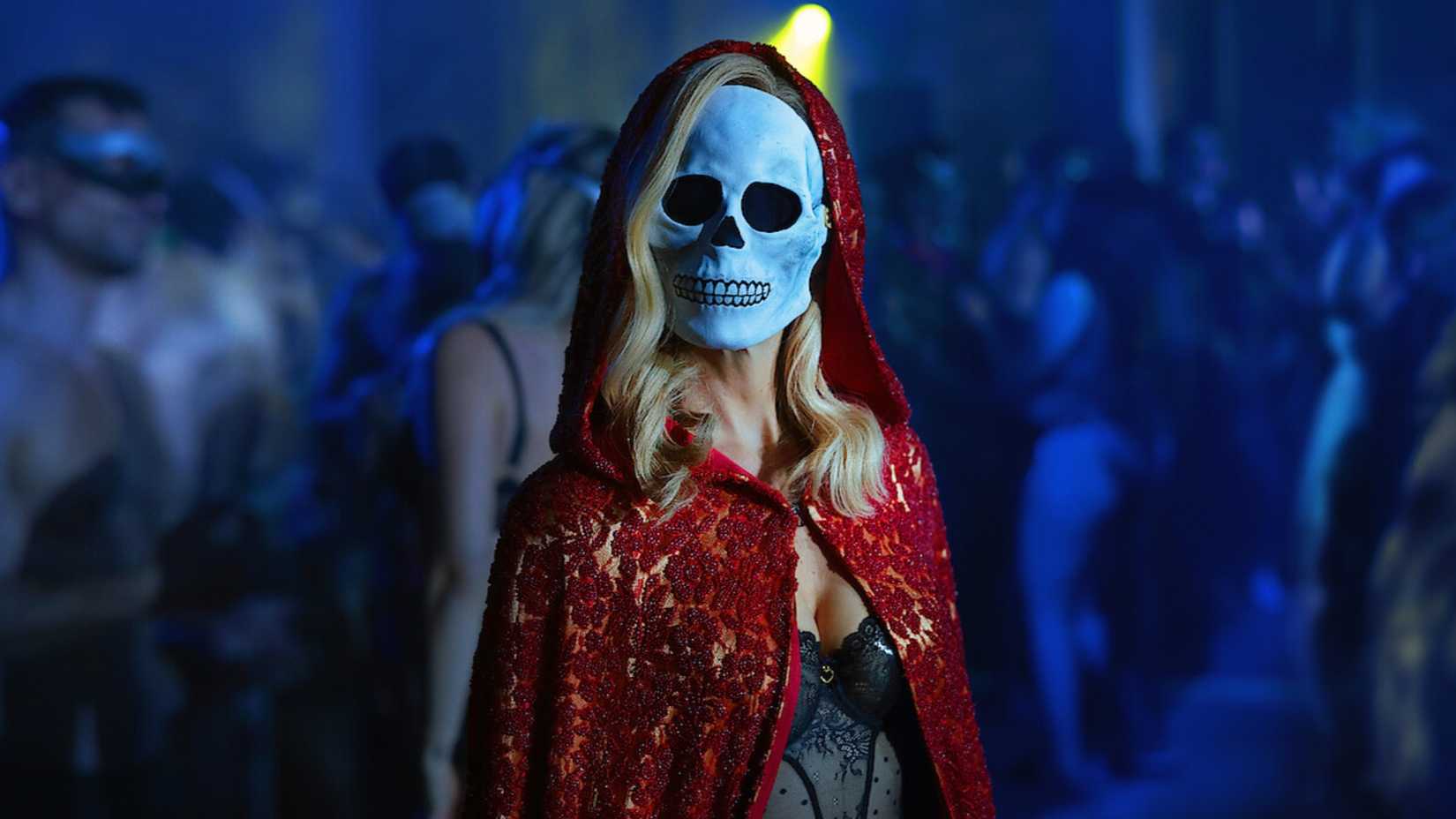 A blonde woman in a red cape and skull mask in Netflix's The Fall of The House of Usher.
Mike Flanagan's adaptation of Edgar Allan Poe's The Fall of the House of Usher could have been portrayed as the third installment of his The Haunting series. The horror director could have taken the typical haunted home route to capture the essence of the original story. However, Flanagan attempted to make his adaptation stand out by twisting and bending many conventions of the genre.
There is absolutely no one to root for in Mike Flanagan’s Fall of the House of Usher, and every character in the Usher family, including the innocent ones, ends up becoming a victim of the overarching family curse.
Verna, too, is not portrayed as a traditional villain, but rather a cosmic enforcer of an unbreakable contract. There are moments in the show where she even seems to lack malice and warns characters before enforcing the curse on them. The fact that she even seems guilty for punishing the more innocent characters makes her far less morally skewed than most horror villains.
The Fall of the House of Usher's primary hook could have been its exploration of the mysterious origins of the titular family's curse. Even in that regard, though, the show does not shy away from revealing the origins of the Usher curse by revealing Roderick and Madeline’s deal with Verna early on.
Instead of only focusing on the titular Edgar Allan Poe story, The Fall of the House of Usher also attempts to accumulate as many short stories and poems written by the author in its 8-episode runtime. Even real-life figures from Poe's life, including his wife, get subtle nods in the show's story, making the Netflix horror show an unmatched take on the author's entire literary legacy.
Edgar Allan Poe's Fall Of The House Of Usher Also Inspired Stephen King
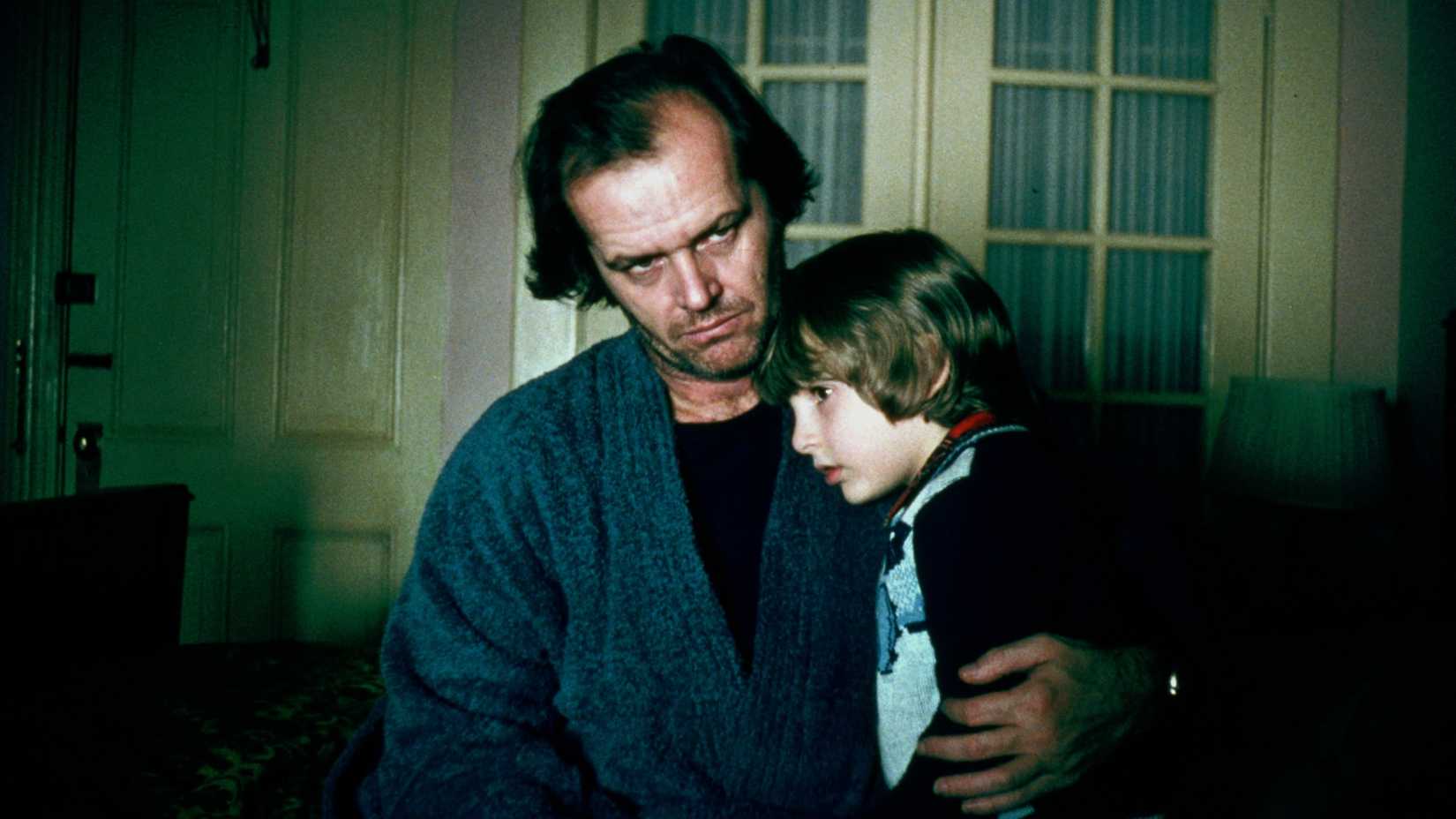 Jack and Danny in The Shining
In his book Danse Macabre, Stephen King has discussed how Edgar Allan Poe's works, especially The Fall of the House of Usher, shaped the "sentient house" trope. King spins the same trope in his own unique horror yarn and portrays a new version of it in The Shining. Similar to the Usher Mansion, he portrays the Overlook Hotel as a closed ecosystem that gets consumed by the history of the people who lived in it.
Dive deeper with our newsletter on horror craft
Subscribe to our newsletter to get richer analysis of Flanagan's Poe-inspired choices, hidden references, and the line from Poe to Stephen King - thoughtful breakdowns that expand your view of horror adaptations and their origins. Subscribe By subscribing, you agree to receive newsletter and marketing emails, and accept our Terms of Use and Privacy Policy. You can unsubscribe anytime.Even Gage Creed's return from the dead in Pet Sematary is reminiscent of Madeline scratching her fingers against her coffin's lid in The Fall of the House of Usher.
Stephen King's The Shining also includes an excerpt from Edgar Allan Poe's The Masque of the Red Death in its opening moments, and its sequel, Doctor Sleep, also directly quotes a line from Poe's poem, A Dream Within A Dream:
"All that we see or seem is but a dream within a dream.”
Like Stephen King, Mike Flanagan, too, does not shy away from honoring Edgar Allan Poe in his Netflix show by dropping references to everything from The City in the Sea to Dream-Land. It is hard not to believe that the show also has some hidden nods to Poe's works that only Mike Flanagan knows about.
 The Fall of the House of Usher
TV-MA
Drama
Horror
The Fall of the House of Usher
TV-MA
Drama
Horror
 7/10
14
8.5/10
Release Date
2023 - 2023-00-00
Network
Netflix
Cast
Carla Gugino, Bruce Greenwood, Mary McDonnell, Carl Lumbly, Samantha Sloyan, T'Nia Miller, Rahul Kohli, Kate Siegel, Sauriyan Sapkota, Zach Gilford
Showrunner
Mike Flanagan
Directors
Mike Flanagan, Michael Fimognari
Writers
Mike Flanagan
Producers
Kathy Gilroy, Michael Fimognari, Trevor Macy, Mike Flanagan, Melinda Nishioka, Morgan Beggs
Seasons
1
Story By
Edgar Allan Poe
Streaming Service(s)
Netflix
Powered by
7/10
14
8.5/10
Release Date
2023 - 2023-00-00
Network
Netflix
Cast
Carla Gugino, Bruce Greenwood, Mary McDonnell, Carl Lumbly, Samantha Sloyan, T'Nia Miller, Rahul Kohli, Kate Siegel, Sauriyan Sapkota, Zach Gilford
Showrunner
Mike Flanagan
Directors
Mike Flanagan, Michael Fimognari
Writers
Mike Flanagan
Producers
Kathy Gilroy, Michael Fimognari, Trevor Macy, Mike Flanagan, Melinda Nishioka, Morgan Beggs
Seasons
1
Story By
Edgar Allan Poe
Streaming Service(s)
Netflix
Powered by
 Expand
Collapse
Expand
Collapse
-
 Mike Flanagan
-
 Netflix
Dive deeper with our newsletter on horror craft
Subscribe to our newsletter to get richer analysis of Flanagan's Poe-inspired choices, hidden references, and the line from Poe to Stephen King - thoughtful breakdowns that expand your view of horror adaptations and their origins. Subscribe By subscribing, you agree to receive newsletter and marketing emails, and accept our Terms of Use and Privacy Policy. You can unsubscribe anytime. Trending Now Stephen King's IT: What The Controversial Sewer Scene Really Means
 Netflix's 3-Part Detective Series Makes Building A Franchise Look Easy
 Stephen King's Reaction To Mike Flanagan's Finished Dark Tower Season 1 Scripts Revealed